Methane is one of the most potent greenhouse gases. Cutting emissions from high-intensity sources, such as landfills, manure management systems, and wastewater treatment plants is one of the fastest ways to slow climate change. While large or grid-connected facilities can often capture and use this gas for energy, many smaller or remote facilities generate methane that remains stranded. These sites often produce methane in volumes that are too small, or are located too far from infrastructure, to make gas recovery economically viable. As a result, the gas is frequently flared or vented, releasing significant climate pollution while providing little economic value.
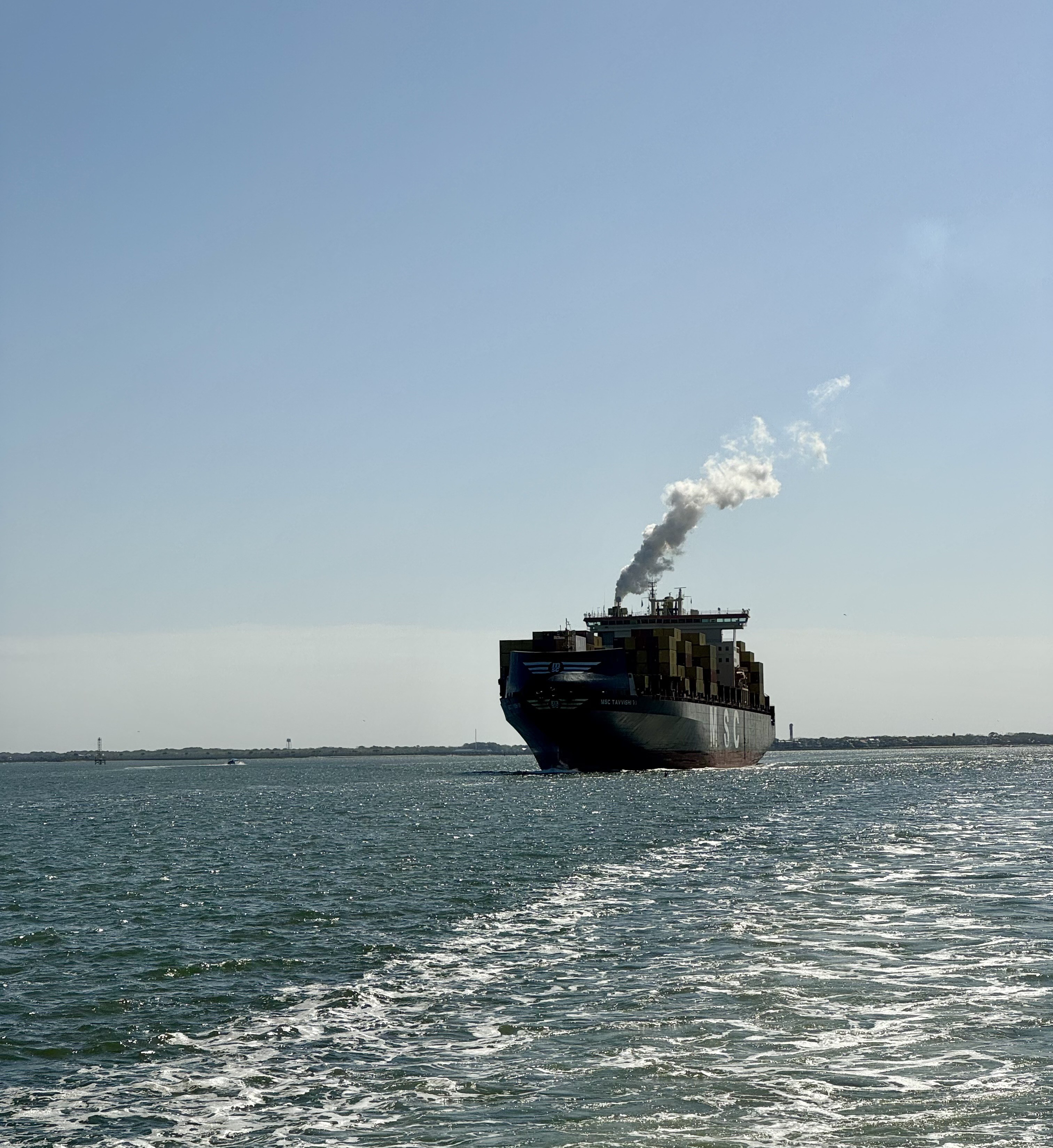
New modular gas-to-liquid (GTL) technologies offer a pathway to convert this stranded methane into methanol. Instead of destroying waste gas, these systems can transform it into a valuable, low-carbon fuel. Methanol demand is expected to grow significantly as the shipping sector seeks alternatives to conventional marine fuels and works toward decarbonization targets. Alongside greenhouse gas reductions, green methanol can help significantly reduce emissions of air pollutants–such as black carbon–by displacing heavy fuel oil (HFO), while creating meaningful co-benefits for air quality and public health.
However, the climate benefits of methane-to-methanol production are not yet well understood. No standards-aligned studies currently quantify the carbon intensity of these pathways, which creates uncertainty for policymakers, investors, and fuel buyers. Without robust life cycle assessments, these fuels cannot qualify under emerging decarbonization frameworks or participate in low-carbon fuel markets.
Our project focuses on evaluating the climate performance of methane-to-methanol systems using rigorous life cycle assessment. By developing transparent carbon intensity estimates and exploring different methane sources and technology configurations, we aim to support informed decision-making and help unlock methane mitigation opportunities while enabling the production of low-carbon fuels.
-1773777841.png)
.png)